

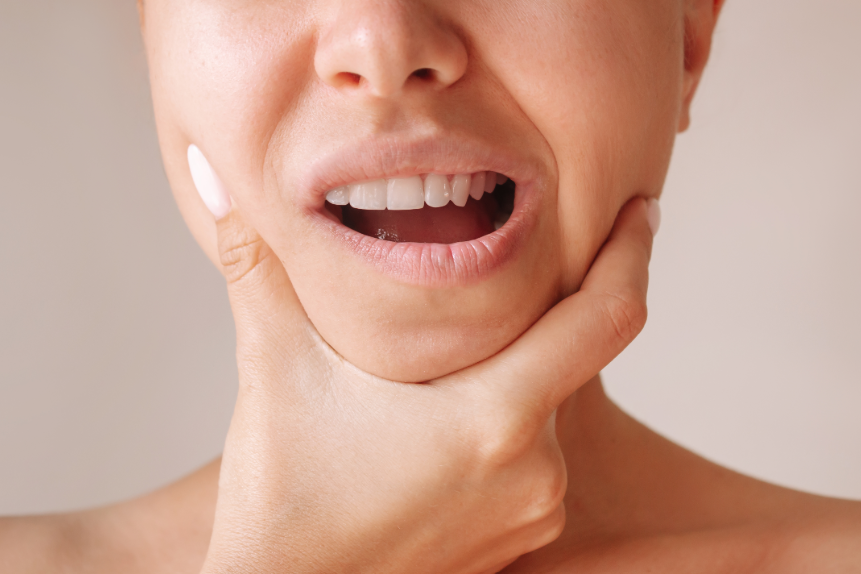
Waking up with pain on just one side of your jaw can be unsettling. It might feel sharp, dull, achy, or even radiate up toward your ear or down into your neck. While it can be uncomfortable and concerning, jaw pain on one side is often linked to common dental or muscle-related issues rather than something severe.
Still, because jaw pain can sometimes signal a more urgent dental problem, it’s important to understand what might be causing it and when it’s time to seek care.
Common Reasons for One-Sided Jaw Pain
One of the most frequent causes of jaw pain on one side is temporomandibular joint (TMJ) dysfunction. The TMJ connects your jaw to your skull and is responsible for helping you chew, speak, and move your mouth. When this joint becomes irritated or strained, it can lead to pain that’s often worse on one side.
Teeth grinding or clenching, especially during sleep, is another common cause. Many people don’t realize they grind their teeth at night, but the constant pressure can strain the jaw muscles and lead to soreness when you wake up.
Dental issues can also be to blame. A cavity, cracked tooth, or developing infection can create localized pain that feels like it’s coming from one side of the jaw. In some cases, impacted wisdom teeth may also cause discomfort that radiates along one side.
When It Might Be TMJ-Related
TMJ-related pain often comes with additional symptoms. You might notice clicking or popping sounds when opening your mouth, difficulty fully opening or closing your jaw, or a feeling of tightness around the jaw and temples.
Stress can make TMJ symptoms worse, as it often leads to unconscious clenching during the day or night. Even posture and long periods of chewing (like gum chewing) can contribute to strain in the joint.
While TMJ discomfort is usually not dangerous, it can become chronic if not addressed, so identifying it early is helpful.
Dental Causes That Shouldn’t Be Ignored
If the pain feels sharp, localized to a specific tooth, or worsens when you chew, it could be related to a dental problem rather than muscle strain.
Tooth infections are a key concern because they can spread if left untreated. You may also notice swelling, sensitivity to hot or cold, or a persistent bad taste in your mouth.
Cracked teeth can also cause intermittent pain that seems to come and go depending on pressure. Because these issues can worsen over time, they should be evaluated by a dentist as soon as possible.
When to See an Emergency Dentist
While mild jaw discomfort may improve on its own, certain symptoms should prompt a dental visit right away. These include severe or worsening pain, noticeable swelling in the face or jaw, fever, or difficulty opening your mouth.
If the pain is interfering with eating, speaking, or sleeping, it’s also a good idea to seek professional care. An emergency dentist can help determine the cause and provide treatment to relieve pain and prevent further complications.
Even if the issue turns out to be minor, getting it checked early can prevent it from becoming more serious.
Jaw pain on one side is your body’s way of signaling that something needs attention, and listening to it can make all the difference in protecting your oral health.
About the Practice
Dr. Michael C. Byars is dedicated to providing comprehensive, patient-focused care in a comfortable and welcoming environment. With a strong emphasis on both preventive and emergency dentistry, Dr. Byars takes a thoughtful, detail-oriented approach to diagnosing and treating a wide range of dental concerns, including sudden pain and urgent oral health issues. Patients appreciate the time taken to clearly explain conditions and treatment options, helping them feel informed and at ease throughout their care. The practice is committed to delivering high-quality dentistry with a focus on comfort, efficiency, and long-term oral health for every patient.
Call us at (816) 781-8222 or schedule your appointment online.