

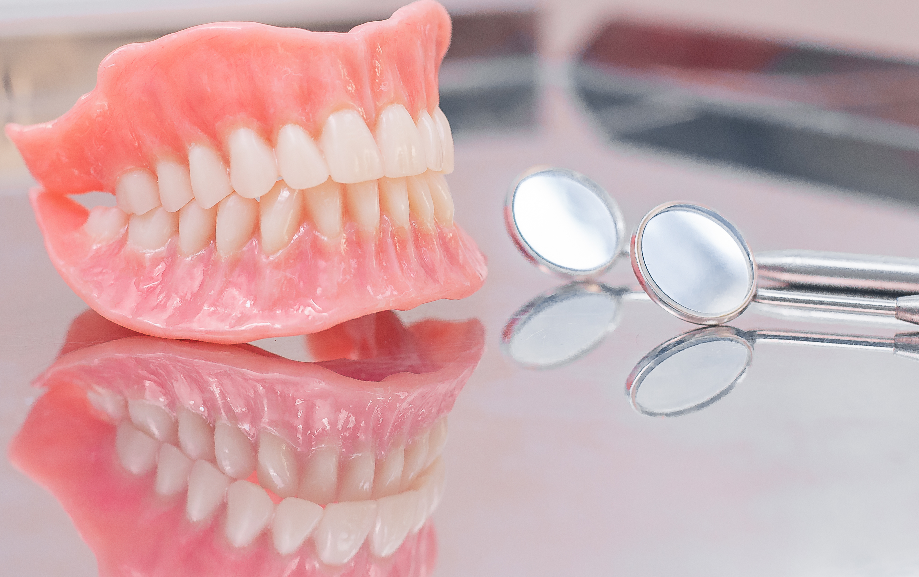
If you picture modern dentures as comfortable, natural-looking replacements for missing teeth, you might be surprised by their long and sometimes unusual history. Dentures have been around for thousands of years, but they certainly haven’t always looked or felt like the restorations available today.
From early attempts using natural materials to today’s customized prosthetics, the evolution of dentures reflects just how far dental technology has come.
Early Dentures Used Unusual Materials
People have been replacing missing teeth for centuries. Some of the earliest known examples date back thousands of years and were made from materials such as animal or human teeth, bone, ivory, and wood.
These early replacements were primarily focused on restoring the appearance or function of missing teeth rather than providing the comfortable, precise fit patients expect today. Materials were often difficult to work with, and there was little understanding of the oral health principles that guide modern denture design.
By the 16th and 17th centuries, ivory became a relatively common material for artificial teeth among wealthy individuals. Unfortunately, ivory dentures could deteriorate over time and were not always particularly comfortable or practical.
The Famous “Waterloo Teeth”
One unusual chapter in denture history followed the Battle of Waterloo in 1815. Teeth recovered from the battlefield were reportedly collected and sold for use in dentures, eventually becoming known as “Waterloo teeth.”
While this sounds shocking today, using real human teeth in dentures was not particularly unusual during this period. Denture makers had limited materials that could replicate the appearance of natural teeth, making human teeth a sought-after option.
Thankfully, modern dentures no longer require such grim sources for their materials.
The Introduction of Modern Materials
As dentistry developed, new materials made dentures increasingly practical. Porcelain became popular for artificial teeth because it could be shaped and colored to resemble natural teeth more closely.
Later, acrylic resins became widely used in denture construction. Acrylic offered several advantages, including the ability to create customized bases and tooth shapes while producing a more natural-looking result.
Advances in dental laboratories and manufacturing techniques also made it possible to create dentures with greater precision.
Today’s Dentures Are More Comfortable and Natural
Modern dentures are designed with much more than appearance in mind. They are customized to fit the contours of a patient’s mouth, helping improve comfort, stability, and function.
Today’s materials can also create remarkably lifelike teeth and gum-colored bases. This can make dentures much less noticeable when you smile, speak, or laugh.
Depending on your needs, complete dentures can replace an entire arch of missing teeth, while partial dentures can replace several missing teeth while working alongside your remaining natural teeth.
The Benefits of Modern Dentures
Today’s dentures can help restore several everyday functions that may become difficult after tooth loss. They can make chewing a wider variety of foods easier, support clearer speech, and provide structure to the cheeks and lips.
Perhaps just as importantly, dentures can help patients feel more comfortable sharing their smiles. Losing teeth can affect confidence, but a well-fitting denture can help you feel more like yourself again.
Modern dentistry has come a remarkably long way from wooden teeth and battlefield dentures. With improved materials, customization, and dental technology, today’s dentures can offer a combination of comfort, function, and appearance that earlier generations could hardly have imagined.
A more comfortable, natural-looking smile is one of the best outcomes of that evolution.
About the Practice
Dr. Michael C. Byars provides comprehensive dental care, including dentures and partial dentures for patients experiencing tooth loss. The practice focuses on personalized treatment and helping patients find restorative solutions that support comfortable, functional, confident smiles.
Call us at (816) 781-8222 or schedule your appointment online